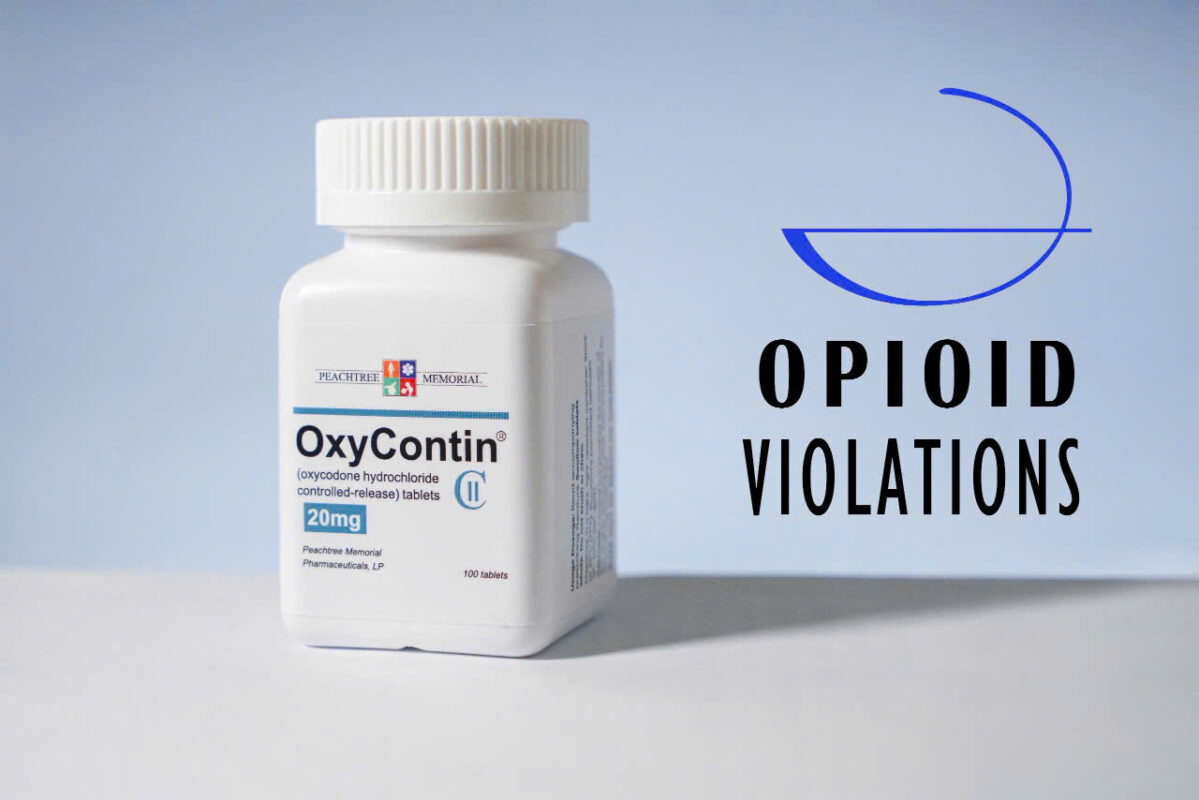
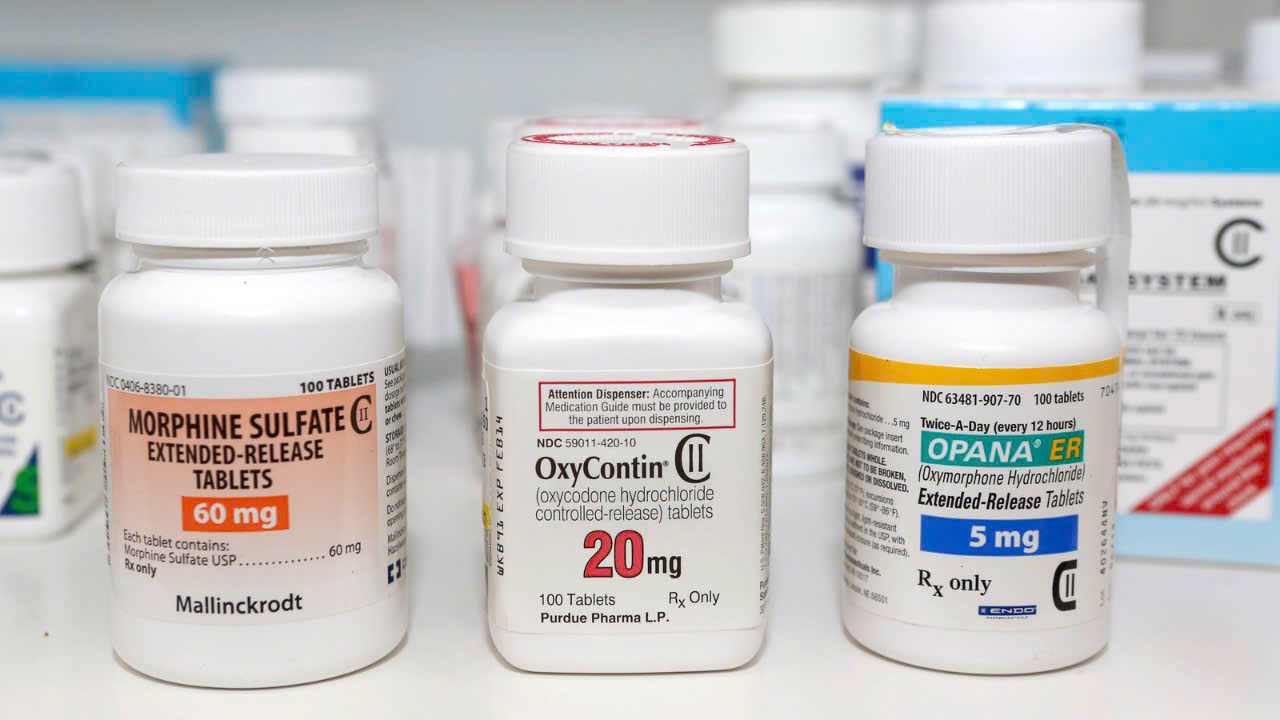
OxyContin is a powerful prescription opioid analgesic, widely known for its role in both pain management and the subsequent opioid epidemic. Developed and marketed by Purdue Pharma, this medication has been instrumental in treating moderate to severe pain, yet its potential for abuse has sparked significant controversy and legal challenges.
History and Development
OxyContin was introduced in 1996 as a time-release formulation of oxycodone. Its design aimed to provide long-lasting pain relief while reducing the need for frequent dosing. Purdue Pharma promoted OxyContin as a safer, less addictive alternative to other opioids, a claim that later became a focal point in discussions surrounding its impact on public health. Over time, however, the drug’s misuse and abuse became a major public health crisis, contributing significantly to the opioid epidemic.
Medical Uses
Medically, OxyContin is prescribed for patients suffering from chronic and acute pain, such as:
Postoperative pain management: Helping patients manage pain after surgery.
Chronic pain conditions: Providing relief for conditions like back pain, osteoarthritis, and cancer-related pain.
Palliative care: Assisting in the management of severe pain in terminal illnesses.
The medication works by binding to opioid receptors in the brain and spinal cord, altering the perception of pain and providing effective pain relief. Despite its benefits in controlled medical settings, the risk of dependency and addiction remains high.
Mechanism of Action
OxyContin’s formulation is designed for extended-release, meaning the active ingredient, oxycodone, is released slowly over time. This extended-release mechanism is intended to offer sustained pain relief. However, when the pill is tampered with (e.g., crushed or dissolved), the protective mechanism is bypassed, releasing the full dose at once. This can lead to a rapid and intense euphoric effect, contributing to its potential for abuse.
Abuse Potential and Public Health Impact
The abuse of OxyContin has had far-reaching consequences:
Addiction: Many patients, as well as recreational users, have developed dependency, sometimes leading to a progression from prescription opioids to illicit substances.
Overdose risk: The misuse of OxyContin can result in respiratory depression, overdose, and even death.
Social and economic costs: The widespread abuse of OxyContin has burdened healthcare systems, increased law enforcement challenges, and led to significant economic costs associated with addiction treatment and lost productivity.
The drug’s impact on public health has prompted numerous studies and extensive media coverage, drawing attention to the broader opioid crisis in the United States and globally.
Regulatory and Legal Issues
Over the years, Purdue Pharma has faced intense scrutiny and multiple lawsuits regarding the marketing practices of OxyContin. Allegations have included:
Misleading marketing claims: Purdue Pharma was accused of downplaying the risks of addiction associated with OxyContin.
Aggressive promotion: The company’s tactics have been linked to a surge in opioid prescriptions and subsequent misuse.
These legal challenges have resulted in substantial financial settlements and have forced changes in the way opioid medications are prescribed and monitored. Regulatory bodies have since implemented stricter guidelines to curb opioid abuse and improve patient safety.
Current Status and Ongoing Developments
In response to the growing crisis, newer formulations of OxyContin have been developed to make the medication tamper-resistant. Despite these efforts, the legacy of the original formulation continues to influence ongoing discussions about opioid prescribing practices and the need for effective addiction treatment programs. Research and policy reforms remain active areas as health authorities strive to balance legitimate medical use with the imperative to prevent abuse.
Conclusion
OxyContin occupies a complex position in modern medicine. While it has proven to be a valuable tool for pain management, its association with the opioid epidemic highlights the challenges of balancing therapeutic benefits with the risks of addiction and abuse. The history of OxyContin serves as a cautionary tale about the consequences of aggressive pharmaceutical marketing and underscores the importance of robust regulatory oversight in the use of opioid medications.
This document provides an overview of the multifaceted issues surrounding OxyContin, emphasizing the need for continued efforts to address the opioid crisis while ensuring that patients with genuine pain management needs receive appropriate care.
OxyContin is a powerful pain reliever belonging to the opioid class, primarily used to treat chronic and severe pain, such as post-surgical pain or cancer-related pain. The main ingredient in OxyContin is oxycodone, a potent analgesic that works by acting on the central nervous system. OxyContin is manufactured in an extended-release tablet form, allowing for continuous pain relief over an extended period rather than providing quick but short-lived relief like regular oxycodone formulations. However, OxyContin also carries potential risks. Misuse or improper use of the drug can lead to opioid addiction, overdose, and serious health issues, such as respiratory depression. Therefore, OxyContin should only be used as prescribed by a doctor and under strict medical supervision. Possible side effects of OxyContin include: Nausea, vomiting Constipation Fatigue, dizziness Itching Respiratory depression (at high doses or with misuse) Due to the risks associated with OxyContin, users must strictly follow their doctor’s instructions and should not adjust the dosage or stop the medication abruptly without medical guidance.